

Table of Contents
- Why Late Night Streaming Demands a Different Coffee
- Understanding Roast Profiles and Caffeine Content
- Caffeine Management for Streamers: Timing, Dosing, and Sleep Hygiene
- Low Acidity Coffee for Night: Protecting Your Stomach During Long Sessions
- Coffee Sea Salt: A Streamer's Secret for Hydration and Flavor
- Decaf and Herbal Alternatives for Late Night Focus
- How to Pick the Best Natural Coffee for Your Streaming Setup
- Conclusion
- Frequently Asked Questions
Last Updated: September 24, 2026
Why Late Night Streaming Demands a Different Coffee
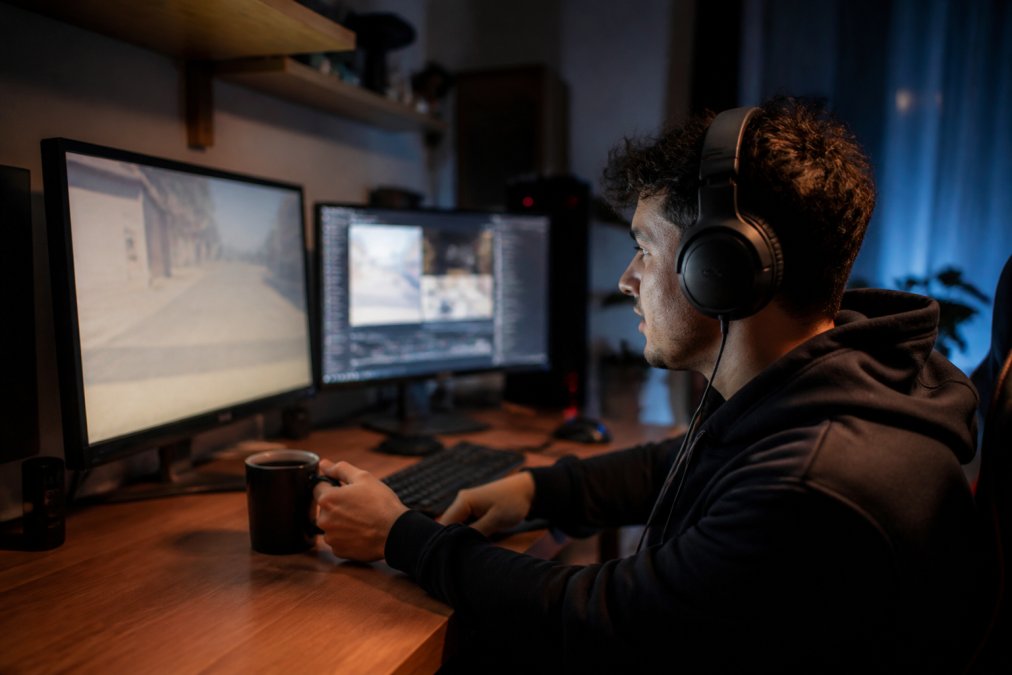
A 2 AM ranked match and a 9 AM office shift ask completely different things of your body. That is the core problem with picking the best natural coffee for late night streaming: you need alertness now without wrecking sleep later.
Most coffee guides ignore this. They rank beans by flavor and stop there. But when your "morning" starts at midnight, caffeine timing matters as much as taste.
At Spawn Point Coffee, we offer coffee crafted for gamers and streamers who live on non-traditional schedules. So this guide treats your cup as a performance tool, not a hobby.
Here is what we will cover: how roast profiles change caffeine, when to stop drinking to protect sleep, and which options keep your stomach and focus intact through an 8-hour broadcast.
Understanding Roast Profiles and Caffeine Content
Roast profile is the degree to which coffee beans are heated during roasting, and it changes flavor far more than it changes caffeine. A common myth says dark roast hits harder. It does not, at least not much.
Here is what actually happens:
- Caffeine is stable during roasting, so it barely drops as beans darken
- Dark roasts taste bolder and less acidic, which many late-night drinkers prefer
- Light roasts keep more floral notes and acidity
- Scoop for scoop, caffeine stays roughly similar across roast levels
What changes is how the coffee sits with you. Bitterness and acidity affect comfort during long sessions.
Light Roast vs Dark Roast: What Actually Changes
Light roast keeps more of the bean's original character: floral notes, fruit, and brighter acidity. Dark roast trades those for deeper, smokier flavors and lower acidity.
For late-night streaming, the practical difference is stomach comfort. If acidity bothers you at 1 AM, a darker roast often feels gentler. If you want mental clarity without heaviness, a light roast can feel cleaner.
Neither wins outright. Match the roast to your body and your brew method.
Why Roast Level Is the Wrong Lever for Late-Night Streaming
Here is the angle most coffee guides miss: for a streamer, roast level is a minor variable. The variables that actually decide whether you sleep after your broadcast are dose, timing, and your own caffeine clearance rate.
A 12-ounce mug of drip coffee typically carries roughly 120 to 170 mg of caffeine, depending on the bean and brew strength, per commonly cited FDA guidance on caffeine and health. A 2-ounce espresso shot lands around 60 to 65 mg.
Caffeine Metabolism Varies by Person
Caffeine is cleared mainly by an enzyme in the liver called CYP1A2. Genetic variation in that enzyme means two streamers can drink the same cup at the same hour and have very different amounts of caffeine left in their systems at bedtime. Slow metabolizers may still feel a 2 PM cup at midnight; fast metabolizers may clear most of it within a few hours.
- A single afternoon cup keeps you wired past your normal bedtime
- You feel jittery or anxious at doses your friends shrug off
- Your heart rate climbs noticeably after one serving
A Streamer's Roast Decision Framework
Use this order of operations when you are picking beans for a late-night broadcast:
- Set your caffeine ceiling first. Decide your total milligrams for the session before you pick a bean.
- Pick roast for comfort, not for a caffeine edge. Dark if acidity bothers you on a long stream; light if you want a brighter, cleaner cup.
- Match grind to your brewer. A coarse grind for cold brew, medium for drip, fine for espresso. Wrong grind equals inconsistent extraction and unpredictable caffeine.
- Buy whole bean when you can. Pre-ground coffee stales fast, and stale coffee tastes flat, which pushes you to drink more to get the same satisfaction.
Caffeine Management for Streamers: Timing, Dosing, and Sleep Hygiene
Caffeine management for streamers comes down to three levers: how much, how late, and how fast your body clears it. Get these right and you can stay sharp without lying awake at 4 AM.
The Half-Life Rule: When to Stop Drinking Coffee
The half-life rule is simple: stop drinking caffeine about 8 to 10 hours before you plan to sleep. If you log off at 6 AM, your last cup should land around 8 PM to 10 PM.
Low Acidity Coffee for Night: Protecting Your Stomach During Long Sessions
Low acidity coffee for night matters because acid reflux and stomach irritation get worse when you lie down soon after drinking. If your post-stream routine is "coffee, then bed," acidity is your enemy.
Coffee Sea Salt: A Streamer's Secret for Hydration and Flavor
Coffee sea salt is a small pinch of sea salt added to your grounds or your cup. It sounds strange until you try it. The salt blocks some bitterness on your tongue, so the coffee tastes smoother without added sugar.
Here is how to use it:
- Add a pinch of fine sea salt to your dry grounds before brewing
- Or stir a tiny amount into a finished cup
- Start small, about 1/16 teaspoon per cup
- Adjust to taste, never enough to taste salty
The Streamer Hydration Problem Nobody Talks About
Most late-night coffee guides stop at 'drink water too.' That advice misses what actually happens during a long broadcast. You are talking for hours, often in a dry room under warm lighting, staring at a bright screen. That combination hits your voice and your eyes harder than a normal desk job.
A practical hydration routine for a long stream:
- Keep a water bottle within arm's reach and refill it on a fixed schedule, not when you remember
- Alternate sips: one sip of coffee, one sip of water, throughout the session
- Use warm water or a caffeine-free herbal cup in the back half of the stream to keep your throat comfortable without adding stimulant
- Watch for dry eyes and screen fatigue; a humidifier or a short break away from the monitor helps more than another cup
Snack Pairing for Sustained Energy
Coffee alone on an empty stomach during a six-hour stream is a recipe for a jittery crash. Pair your cup with something that releases energy slowly.
- Nuts and seeds, which combine fat, protein, and fiber
- Greek yogurt or a hard-boiled egg for a protein hit
- Whole-grain crackers with nut butter
- A piece of fruit for a quick lift without a sugar spike
When Salt Helps and When It Does Not
The pinch-of-salt trick is a flavor tool first. It makes a bitter cup drinkable without sugar, which matters if you are trying to cut sweeteners from your late-night routine. The hydration benefit is small and should not replace actual water.
Decaf and Herbal Alternatives for Late Night Focus
Decaffeinated coffee keeps the ritual without the stimulant load. Modern decaf uses water or CO2 methods that remove most caffeine while preserving flavor. For a 3 AM wind-down, it is a solid choice.
Herbal infusion options work when you want zero caffeine:
- Chamomile for calming and relaxation
- Peppermint for a cooling, stomach-friendly cup
- Rooibos for a naturally sweet, caffeine-free base
- Ginger for warmth without jitters
How to Pick the Best Natural Coffee for Your Streaming Setup
Choosing the best natural coffee for late night streaming comes down to five checks. Run through them before you buy.
- Roast level: dark for lower acidity, light for brighter flavor
- Caffeine load: match dose to your sleep window
- Grind: match your brewer, or buy whole bean for freshness
- Additives: look for natural flavoring, not synthetic
- Freshness: roasted-on-demand beans taste better and brew more predictably
Single-origin beans give you a consistent, traceable cup.
Conclusion
Late-night streaming punishes lazy coffee habits. The right bean, the right dose, and the right cutoff time can mean the difference between a sharp broadcast and a foggy one.
Frequently Asked Questions
What coffee is best for all-nighters without the crash?
A light or medium roast with natural caffeine paired with a small snack containing protein or fat slows absorption and reduces the crash. Cold brew made with low acidity beans works well because it releases caffeine gradually. Avoid adding sugar, which spikes and drops energy fast. Drink water alongside your coffee to stay hydrated, and stop caffeine at least six hours before you plan to sleep.
How does caffeine affect gaming performance during late-night streams?
Caffeine blocks adenosine receptors, which delays sleepiness and sharpens alertness for a few hours. That helps reaction time and focus early in a stream. Past a certain dose, though, it triggers jitters, anxiety, and shaky aim. Caffeine sensitivity varies widely based on genetics and tolerance, so the right amount differs for every streamer. Track how you feel at 100mg versus 200mg to find your limit.
Can natural coffee additives like sea salt improve hydration while gaming?
A small pinch of sea salt in coffee adds sodium and trace minerals that support hydration and can soften bitterness. It does not replace drinking plain water, especially during long streams when you sweat under warm lighting. The salt trick works best as a flavor enhancer and a gentle electrolyte boost, not a hydration strategy on its own. Pair it with a full glass of water every hour.
What should I drink at night instead of coffee to stay awake?
Herbal infusions like peppermint, ginger, or rooibos give you a warm drink without caffeine. Decaffeinated coffee made with a Swiss Water process keeps the taste while removing most caffeine. For a mild lift, green tea or matcha offers a smaller dose paired with L-theanine, which smooths the stimulant effect. Cold water with lemon also helps mental clarity during late sessions.