

Table of Contents
- Why Is My Coffee Bitter? The Real Causes
- How to Fix Bitter Coffee: 7 Adjustments That Work
- Coffee Brewing Temperature for Less Bitterness
- Best Coffee Beans for Less Bitter Coffee
- No-Sugar Additions That Cut Bitterness: Salt, Milk, and Spices
- Bitter Coffee by Brewing Method: French Press, Pour-Over, and Espresso Fixes
- Frequently Asked Questions
Last Updated: October 9, 2026
Why Is My Coffee Bitter? The Real Causes
Bitter coffee almost always comes from over-extraction, which means hot water pulled too many compounds out of the grounds. Fix the grind, the ratio, or the temperature and the bitterness fades fast. Learning how to make coffee less bitter without sugar starts with knowing which of three problems you actually have.
Bitterness, sourness, and astringency are not the same thing. Bitterness is a sharp, dry taste on the back of your tongue. Sourness is a bright, acidic bite that hits the sides. Astringency is the chalky, mouth-drying feeling that lingers after you swallow. If your cup tastes sour, you under-extracted it. If it tastes bitter or drying, you went too far the other way.
Here is the part most guides skip: bitterness and sourness can show up in the same cup. That happens when your grind is uneven, so some grounds over-extract while others under-extract. A better grinder fixes more bad coffee than any other upgrade.
How to Fix Bitter Coffee: 7 Adjustments That Work
Seven changes fix bitter coffee, and the order matters. Work through them one at a time, tasting after each change, because changing two variables at once tells you nothing about which one worked.
Before you touch anything, diagnose the cup. Bitterness is a sharp, dry taste at the back of your tongue. Sourness is a bright bite on the sides. Astringency is the chalky, mouth-drying feeling that lingers after you swallow. If your cup is sour, you under-extracted it and the fixes below will make it worse. If it is bitter or drying, you over-extracted it and you are in the right place. When a single cup tastes both sour and bitter, your grind is uneven, so some grounds over-extract while others under-extract. Fix the grinder before you fix the recipe.
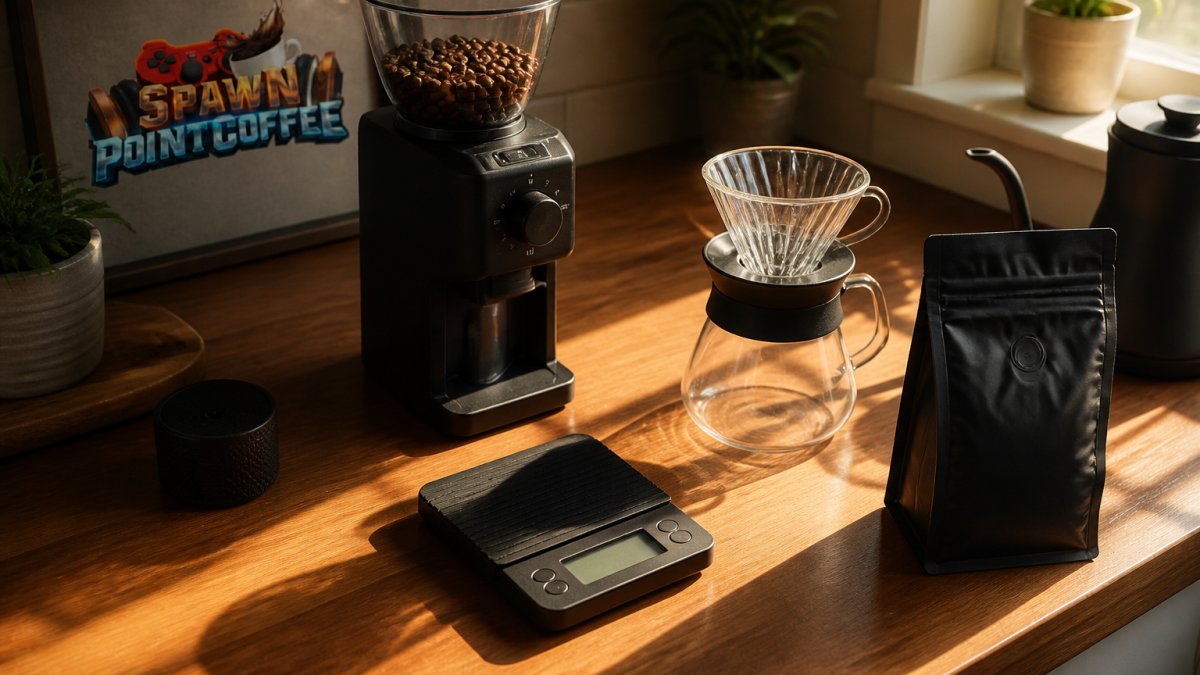
- Grind coarser. Move one or two clicks on a stepped grinder, or a full setting on a stepperless one. This is the fastest fix because bigger particles expose less surface area to water.
- Shorten your brew time. Cut 30 seconds off the next batch. Long contact time pulls out the harsh compounds that read as bitter.
- Lower your water temperature. Aim for 195°F to 200°F instead of a rolling boil. Water above 205°F scorches grounds and adds burnt notes.
- Fix your coffee-to-water ratio. Start at 1 gram of coffee per 16 grams of water by weight, not by scoop. A kitchen scale beats a measuring spoon every time.
- Switch to a lighter roast. Dark roasts develop more bitter compounds during the longer roast, so a medium or light roast tastes sweeter at the same brew settings.
- Try cold brew. Cold water pulls out fewer bitter compounds over a long steep, so the result tastes smooth without any sugar.
- Add a pinch of salt. Salt blocks bitterness receptors on your tongue, so the sweet and nutty notes come forward. Start with a few grains per cup.
Grind Size: Go Coarser, Not Finer
A coarser grind is the single fastest fix for bitter coffee. Bigger particles expose less surface area, so water pulls out fewer bitter compounds. If your coffee tastes harsh, go one step coarser before you touch anything else.
The catch is that blade grinders leave a mix of dust and boulders. That uneven bed is why so many home brewers chase bitterness they cannot kill: the dust over-extracts and turns bitter while the boulders under-extract and stay sour. A burr grinder gives you a consistent grind size, which means a consistent cup. If you are not ready to upgrade, grind in short pulses and shake the grinder between them to even out the particles.
Coffee-to-Water Ratio and Brew Time
A ratio of 1:16 is the standard starting point, and brew time should match your method. Too much coffee in the basket means water struggles through and over-extracts what it touches. Too little and you get a weak, sour cup instead.
For a French press, aim for a 4-minute steep. For pour-over, a 2:30 to 3:00 total pour works for most beans. Espresso runs on a 25 to 30 second shot. If your shot runs long, your grind is too fine. If it runs short, your grind is too coarse. Weigh your coffee and water on a scale rather than eyeballing it, because a scoop of coffee can vary by several grams depending on the bean and the roast.
Coffee Brewing Temperature for Less Bitterness
Coffee brewing temperature for less bitterness sits between 195°F and 205°F. Water above that range scorches the grounds and pulls out harsh, burnt notes. Water below 195°F under-extracts and leaves you with a sour, thin cup.
Use a kettle with a built-in thermometer, or let boiled water sit for about 30 seconds before you pour. The National Coffee Association brewing guide recommends that 195°F to 205°F range for the best extraction. Small change, big difference in the cup.
Best Coffee Beans for Less Bitter Coffee
The best coffee beans for less bitter coffee are light and medium roasts grown at high altitude. These beans keep more of their natural sweetness, so you taste caramel and fruit instead of ash. Dark roasts get their color from longer roasting, and that process creates the bitter compounds you are trying to avoid.
Freshness matters just as much. Beans roasted weeks ago taste flat and stale, and stale coffee reads as bitter on the tongue. Check the roast date on the bag, not the best-by date.
Roast Level and Origin Matter More Than You Think
Roast level changes flavor more than origin does. A light roast from Colombia and a light roast from Ethiopia will both taste brighter than any dark roast. Origin decides which flavors show up; roast level decides how much bitterness comes with them.
Colombian beans are a safe starting point for anyone fighting bitterness. Our R. P. G. Grinder Colombian whole bean is a medium roast with natural caramel sweetness and hints of chocolate. It is 100% Arabica, sold in 1-pound bags, and it brews a smooth cup without sugar. Prefer ground? The ground version uses the same beans, ready for your dripper.
R. P. G. Grinder Coffee Brew | Single Origin Colombian Coffee | Whole Bean →


No-Sugar Additions That Cut Bitterness: Salt, Milk, and Spices
A pinch of salt is the most effective no-sugar fix for bitter coffee. Salt blocks bitterness receptors on your tongue, so the sweet and nutty notes come forward. Use a tiny amount, about a grain or two per cup, and stir it in.
Milk and plant-based milk work by coating your tongue and diluting the harsh compounds. Oat milk adds creaminess, almond milk stays light, and soy milk brings a thicker mouthfeel. A splash of cream does the same job with more richness.
Spices and other additions change the flavor balance without adding sugar:
- Cinnamon adds warmth and a hint of natural sweetness
- Cocoa powder brings chocolate notes that mask bitterness
- Vanilla extract softens harsh edges with a few drops
- Butter adds fat that rounds out the cup
- Ripe fruit or yogurt pairs well with light roasts
Bitter Coffee by Brewing Method: French Press, Pour-Over, and Espresso Fixes
Each brewing method creates bitterness for its own reasons, so the fix looks different for each one. Match your adjustment to your gear instead of applying generic advice. The table below gives the common cause and the first fix to try, and the notes after it explain the mechanism so you can troubleshoot beyond the table.
| Method | Common Cause | First Fix | Target |
|---|---|---|---|
| French press | Steeping too long | Cut steep to 4 minutes | Coarse grind |
| Pour-over | Water too hot | Drop to 200°F | Medium grind |
| Espresso | Grind too fine | Go one step coarser | 25-30 sec shot |
| Cold brew | Ratio too strong | Dilute 1:1 with water | 12-18 hour steep |
| Drip machine | Old, dirty filter | Descale and rinse | Medium grind |
French press. A full-immersion brew keeps every ground in contact with water for the whole steep, so time is your main lever. Four minutes is a good starting point; past five, the brew pulls out the harsh compounds that read as bitter. Use a coarse grind so the mesh filter catches the grounds, and press slowly to avoid agitating the bed.
Pour-over. Temperature and pour speed drive bitterness here. Water above 205°F scorches the grounds, and a fast, turbulent pour disturbs the bed and over-extracts the fines. Drop to 200°F, pour in slow circles, and keep the total brew between 2:30 and 3:00. If it still tastes bitter, go one step coarser on the grind.
Espresso. A fine grind and high pressure push extraction hard, so small mistakes turn bitter fast. If your shot tastes harsh, coarsen the grind before you change anything else. A 25 to 30 second shot at a 1:2 ratio (coffee to liquid) is a common target.
Cold brew. Cold water pulls out fewer bitter compounds over a long steep, so the result tastes smooth and sweet. Steep coarse grounds in cold water for 12 to 18 hours, then strain and dilute to taste. If your cold brew tastes bitter, it is usually too strong rather than over-extracted, so dilute 1:1 with water before you change the recipe.
Drip machine. Bitterness here often comes from a dirty machine or an old filter, not the coffee. Descale the reservoir and rinse the basket, then check that the water reaches 195°F to 205°F. If the machine runs cool, the brew under-extracts and tastes sour rather than bitter.
Frequently Asked Questions
Why does my coffee taste bitter even though I use fresh beans?
Fresh beans can still taste bitter if the grind is too fine, the water is too hot, or the brew time runs long. Bitterness comes from over-extraction, not staleness alone. Try a coarser grind, keep water between 195 and 205 degrees Fahrenheit, and shorten your brew time. If you use a French press, a 4-minute steep instead of 6 often makes a noticeable difference. Adjust one variable at a time so you can taste what changed.
Does adding salt make coffee less bitter?
Yes, a small pinch of salt can reduce perceived bitterness. Sodium ions block some of the bitter taste receptors on your tongue, so the coffee tastes smoother without tasting salty. Start with a tiny amount, roughly a pinch per cup, and stir it in after brewing. It works on hot coffee and cold brew alike. If you overshoot, you will taste the salt, so add gradually and taste as you go.
Can milk or cream reduce coffee bitterness?
Milk and cream dilute the bitter compounds and add fat and lactose, which round out the flavor. Oat milk, almond milk, and soy milk work similarly, though oat milk tends to taste sweetest. Add a splash first, then adjust. If you want to keep the coffee black, fix the brew variables instead, since milk masks bitterness rather than removing the cause. Both approaches are valid depending on your goal.
What is the best coffee brewing temperature for less bitterness?
Brew between 195 and 205 degrees Fahrenheit. Water at a full rolling boil, around 212 degrees, pulls out bitter compounds faster and can scorch the grounds. Let boiled water rest for 30 to 60 seconds before pouring, or use a kettle with temperature control. For cold brew, room-temperature or cold water over 12 to 18 hours extracts far less bitterness because heat is not driving the extraction.
Bitter coffee is a brewing problem, not a sugar problem, and every fix here costs nothing but a small adjustment. Spawn Point Coffee roasts single-origin Colombian beans on demand, so the bag on your counter is fresh when it arrives. Our whole bean and ground options give you full control over grind size, and the decaffeinated version keeps the same caramel sweetness for late-night sessions. Get started with Spawn Point Coffee and brew a cup that tastes right without a spoonful of sugar.